Pallet Wrap Recycling in Australia: What’s Changed and How to Get It Right in 2026
As sustainability expectations rise across Australian industry, pallet wrap recycling has shifted from a "nice to have" to a business critical responsibility. With growing pressure from regulators, customers and supply chains, businesses need clarity on how to manage soft plastics like stretch film effectively.
So, can pallet wrap be recycled? Yes. But how you do it, and who you partner with, matters more than ever.
This updated guide outlines the latest developments in Australia's soft plastics landscape, practical recycling pathways, and how to future-proof your packaging processes.
Why pallet wrap recycling matters more than ever
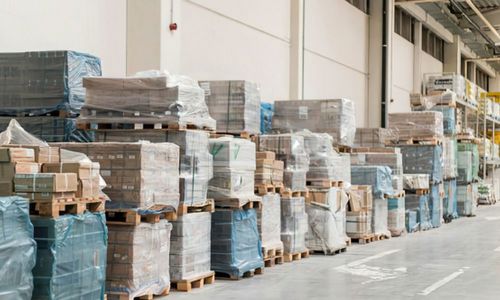
However you refer to it, stretch film, shrink film, shrink wrap or pallet wrap, it plays a vital role in load containment and protecting goods through storage and transport. But once removed, it becomes a significant waste stream. It is a single use plastic that currently has no sustainable replacement that can provide the same load containment and security.
Recent industry commentary, including insights from Packaging News Australia, highlights a key shift, with businesses now taking greater responsibility for managing soft plastics following disruptions to previous collection schemes. Regulation around soft plastics recycling is likely on the horizon and industry scheme participation is now the single most important lever in determining the future policy settings. Put simply, businesses should take the lead on implementing their own soft plastics recycling initiatives now, rather than waiting for government policy to force action.
Businesses can no longer rely on consumer led recycling systems. Instead commercial and industrial sectors must take the lead in:
- Reducing soft plastic waste
- Improving recyclability
- Partnering with credible recycling providers
Can pallet wrap be recycled?
Yes. Pallet wrap, typically made from low-density polyethylene (LDPE), is fully recyclable when handled correctly.
However, successful recycling depends on three key factors:
1. Clean materials
Stretch film must be:
- Free from contamination (labels, food waste, dirt)
- Separated from other waste streams
2. Proper collection and storage
Used film should be:
- Collected in designated bins or cages
- Compacted or baled where possible to reduce handling costs
3. Access to the right recycling partners
Not all recyclers accept soft plastics, and soft plastics recycling is not available to all areas, so working with specialised providers is essential.
The Australian soft plastics landscape in 2026
Australia's approach to soft plastics is evolving rapidly.
According to Packaging News Australia, the industry is now at a turning point where:
- Policy direction is shifting toward industry responsibility
- Businesses are expected to take ownership of their packaging lifecycle
- Investment in local recycling infrastructure is increasing
This creates both a challenge and an opportunity.
Businesses that can act early can:
- Reduce waste costs
- Strengthen sustainability credentials
- Meet procurement and ESG requirements
"100% recyclable" does not mean easily recycled
With renewed focus on soft plastics, and the opening of a new soft plastics recycling facility in Australia, many stretch film suppliers have begun promoting products as "100% recyclable".
Technically, this is correct. Stretch film is now a recyclable material.
However, it is important to understand what this claim does and does not mean in practice.
- Pallet wrap cannot be recycled via standard kerbside recycling systems
- Recycling is typically only available through specialist commercial programs
- Access depends on clean materials and approved collection partners
In other words, "recyclable" refers to the material capability, not the availability of convenient recycling pathways.
This distinction is increasingly important as businesses look to make informed, credible sustainability decisions. Without the right processes in place, recyclable materials can still end up in landfill.
How to recycle pallet wrap in practice
Step 1: Set up a dedicated collection system
Create a simple, consistent process onsite:
- Allocate bins or cages specifically for stretch film
- Train staff to keep materials clean and separated
- Position collection points near unpacking areas
Step 2: Compact and consolidate
Loose film is inefficient to transport.
Using balers or compactors can:
- Reduce volume
- Lower transport costs
- Improve recycler acceptance
Step 3: Partner with a specialist recycler
Work with providers experienced in soft plastics recycling, such as REDMONDIS Australia or Cleanaway.
To find out more about the REDMONDIS soft plastics recycling program click here > . Or to find out more about Cleanaway's program, visit here>
Providers like this can:
- Accept soft plastics including pallet wrap or shrink wrap
- Process materials into recycled resin
- Support businesses with collection and reporting
This ensures your waste is genuinely recycled, not diverted to landfill. If you don't think you have enough pallet wrap to recycle on a regular basis, look into partnering with neighbouring businesses to place your wrap into 1 collection point. Soft plastic will still be recycled and you can share the cost of specialist collection services.
Designing for better recycling outcomes
Recycling starts long before disposal. It begins with the materials and systems you choose.
Use high performance films
Advanced hand or machine films, including FROMM hybrid films, deliver:
- Higher stretch performance
- Reduced film consumption
- Stronger load containment
Less material used means less waste generated.
Optimise wrapping patterns
Optimal machine settings can significantly reduce film use by:
- Anchoring loads effectively at the base
- Avoiding excessive top wraps
- Using pre-stretch film carriages to stretch film up to 250%
Standardise materials
Using consistent film types across your business can:
- Simplify recycling streams
- Reduce contamination risks
Common mistakes to avoid
Even well intentioned recycling programs can fail due to simple issues:
- Assuming "recyclable" means kerbside recyclable
- Mixing stretch film with general waste
- Contaminating film with labels or food residue
- Using multiple incompatible film types
- Partnering with recyclers who do not process soft plastics
Addressing these issues upfront can ensure your efforts deliver real results.
Future proofing your packaging strategy
Sustainability is no longer a side initiative. It is a core operational requirement.
To stay ahead:
- Audit your current packaging waste streams
- Engage with trusted recycling partners
- Invest in efficient wrapping systems
- Track and report on recycling outcomes
These steps not only reduce environmental impact but also strengthen your business position in a rapidly changing market.
Final thoughts
In 2026, pallet wrap can now be recycled. But successful recycling and true waste reduction will only be achieved with a structured and proactive approach from businesses.
If you would like FROMM to assist your business to reduce your plastic usage and costs, get in touch today: Contact Us
Trusted By Companies Large And Small Across Australia